
Samantha Corfield is a writer, teacher, and spiritual counselor who has spent decades helping people explore the mysteries of life and the beyond. Her 2026 release, Create Your Own Afterlife: Take Control of Life After Death (Llewellyn Publications), “features exercises to release religious guilt, define your spiritual truth, and create a detailed afterlife blueprint.” Look for Sam on her website CreateYourOwnAfterlife.com, on TikTok, Instagram, Facebook, Substack, and her Amazon author store.
 Who did you write Create Your Own Afterlife for?
When I started writing the book two years ago, I wasn’t exactly sure who my audience might be. As the book progressed, it became clear to me this book could be for anyone and everyone. It is written from the point of view that no matter what religious and spiritual beliefs a person has can be worked within this book. It is written with no dogma and no rules about its usage.
The main premise is to live better when you have secured your own plan for the afterlife. I want the reader to believe they have agency and freewill over what happens to them next. That is for everyone.
What do you hope readers will take away from the book?
There are several things I hope readers will take away from this book: Releasing a fear of death. For some, the fear of death is crippling and affecting their everyday lives. When a person is in the grip of overwhelming fear, this is a condition called thanatophobia. Since the book has been published, I have had several readers reach out to me who suffer from this condition. They have found some relief to complete relief from the book! Of course, most of us have some fear of death. That is part of self-preservation so we don’t just step out in front of a bus.
For others, this book aims to help those who are grieving. When I was in the last edit of this book, my 21-year-old grandson died. I was painfully aware my own book could be the biggest help I could find. It was time to put my money where my mouth was. When you lose a loved one, all hope of a future is taken away. We can only mourn over the past, and risk getting stuck there. However, using the techniques in the book, the reader can start to see hope for a future again. I have planned many things now that Preston and I will do in the afterlife — not only all the things we had planned, but new plans. Did this absolve me of all grief? No. But having the feeling of hope in my heart again has been profound.
For disenfranchised and marginalized groups, my hope is taking control of what happens in the next life helps them maintain autonomy and control in this life.
Recognizing you are a free spirit and can manifest into whatever you want is the belief I hope readers will take away from this book. The book is all about the reader and what the reader desires. My aim is to help them with a blueprint on how to do just that.
What challenges did this work pose for you?
Many outside challenges presented themselves while writing the book. The book itself was a joy to write. I feel so strongly about the message the words came easily. However, some of the joy was stunted by traumatic events like losing my grandson.
How did the book come together?
This book was born out of the tragedy of losing a dear friend. Before her death, we talked about how she could create her own afterlife. I asked her to write down all the things she could visualize about her eternity. It brought us such peace in her final days. I felt like that peace and reassurance was for everyone and Create Your Own Afterlife, Take Control of Life After Death manifested itself.
I was working with Llewellyn Worldwide on a different project and I mentioned this body of work I was also working on. My editor wanted to take a look and miraculously I was offered a contract. Having worked on other projects, I know how lucky this break was. It certainly isn’t the story for very many writers. I never take it for granted.
What makes the book unique in its genre?
After an exhaustive search, the publisher found no other book like it. It is unique in its workbook/blueprint approach to planning your afterlife. We have exercises, meditations, affirmations, all designed to help the reader in embracing their power over their own life and afterlife.
The book does not set out to prove to the reader there is an afterlife. Many books are already written about that. In fact, the book doesn’t try to prove anything — the reader is free to interpret and use the book as it works best for them.
Do you have a favorite quote from Create Your Own Afterlife you’d like to share?
One of my favorite quotes from the book comes not from me, but from the opening epigraph of the first chapter. The opening lines of Emily Dickinson’s “Because I could not stop for Death:”
Because I could not stop for Death –
He kindly stopped for me –
The Carriage held but just Ourselves –
And Immortality.
The whole poem speaks to how we face death alone and it is inevitable for each of us. How we plan and what we want to happen in the afterlife is, in my opinion, something you can shape for yourself.
Was there anything surprising you discovered while doing research?
In researching different religious and spiritual beliefs, there were so many rituals and beliefs from around the world. I wanted to include as many different belief systems as I could for the readers’ benefit. I wanted them to know that no matter what they chose, it was okay to be different. Verifying burial rituals and afterlife beliefs that have gone hand-in-hand for thousands of years wasn’t as surprising as it was fulfilling. Even though my degree is in Theology and World Religion, honing in on the death aspects of the belief systems was incredibly fascinating.
From the Chinese Terracotta Army, to the Egyptian’s meticulous burial rites, to the Taraja people of Indonesia who keep their dead loved one in their home, sometimes for years until they can afford a burial — burial rites and belief in the afterlife is as varied as humanity itself.
What was the most rewarding aspect of putting the project together?
At the risk of sounding like a beauty pageant contestant, I want to help people. I always have. Having people contact me and tell me how this book has helped them is the reward of the project. Hearing people talk about how this book has given them hope again, has helped them alleviate their fear of death enough so they can go to the grocery store again. Having a grieving mother tell me this book is the only thing that helped her recognize a future with her lost child — these are the rewards of this book. Knowing my book has improved the life of people who truly needed it, that’s the gold.
What do you want to be known for as an author?
I would like to be known as being there for my readers. Doing podcasts, having people reach out with questions, being accessible to readers, these are the important things. I want people to feel my compassion and caring for them. The idea of creating one’s afterlife in such a way it helps this living life, I want to be known as the person who was there to help them get there.
Tell us about the writing projects you are working on now.
I am excited to be working on a book about my grandmother’s wisdom — her remedies, her wisdom, and her magickal spells from the mountains of Tennessee.
Additionally, I am researching the subject of alien healing. This is new to me, but there are many people who believe their alien encounters have cured them of diseases. Right now, I am looking into the approach of Hz tonal music as one of the aspects. I am hoping to interview some of the people who are making this claim. It’s New Mexico so it feels so right to take a walk along the alien path.
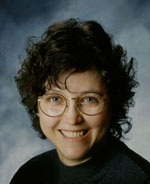 KL Wagoner loves creating worlds of fantasy and science fiction. Her current work in progress is The Last Bonekeeper fantasy trilogy and short stories in the same universe. A member of SouthWest Writers since 2006, Kat has volunteered as the organization’s secretary, newsletter editor, website manager, and author interview coordinator. Kat is also a veteran, a martial art student, and a grandmother. Visit her at klwagoner.com.
Leave a Reply