
When author, artist, and photographer Sondra Diepen wondered what to do with the hundreds of photos that documented her travels along New Mexico’s section of Route 66, she discovered a lack of details for the Land of Enchantment’s contribution to the Mother Road. To fill that gap, she released Route 66 New Mexico: A Visual Tour (Sunstone Press) in May 2024. The guidebook is filled with photographs, maps, stories, and interesting facts about 51 locations along the historic route from the New Mexico/Texas border to the Arizona state line. Look for Sondra on her website at Route66InNewMexico.com and on Amazon.
 You spent over a decade traveling Route 66 in New Mexico and keeping a photographic record of the treasures you found. At what point did you think about putting it all together in a guidebook? What was the push to begin the project?
After exploring every length of Route 66 I could find here in New Mexico, I had hundreds of photographs now residing on my desktop. It felt like I should do something with six years of photographs. But what? A friend loaned me a new book she was given about Route 66, full page photographs of different sites, scattered along Route 66 from Chicago to Santa Monica. I thought: I could put together a book of photos of Route 66 that would be only of New Mexico’s sites. I would arrange them in driving order from the Texas to the Arizona state line.
Why was 2024 the perfect time to publish the book?
The publishing of this book just happened to coincide with the Centennial of Route 66. I started organizing and writing this book just as Covid entered this country. It became my focus as I endured the years of being shut in because of Covid.
Route 66 New Mexico was “Book of the Week” in the August 6, 2024 issue of Albuquerque Journal. How did seeing that review make you feel?
Of course I was pleased. Sunstone Press initially contacted the Journal and David Steinberg read the book and called me for an interview. In a couple of weeks his article appeared in Albuquerque Journal. This was a great launching point for the book.
What unique challenges did this work pose for you?
Everything was basically a challenge since I had never considered writing a book. Selecting photographs. Researching histories. Writing interesting narratives. Finding an editor. Looking into laws and regulations pertaining to publishing a book. How to publish a book. Finding a publisher. Promoting a book.
Tell us more about how the book came together.
I designed the cover of the book with Photoshop help, laying out the design. The bulk of writing and assembling the book was done during the years of Covid.
Any surprising discoveries while doing research?
I didn’t realize the extent of the craze for the Wild West and the Cowboy Culture during the 1930s, 1940s, and 1950s. (Even though growing up in the 50s, I was caught up in it too. I had a Hopalong Cassidy outfit that included a shirt, cowboy hat, chaps, holsters with cap guns, Levis, and Acme boots, and I had a real pony named Tony.) I found this craze played a great role in luring tourists driving Route 66 to stop, relax. and spend their money. There were many trading posts and frontier themed amusement stops with rattlesnakes, Navajo jewelry, museums, Gay 90s bars, and a cold Nehi, that were dotted across New Mexico.
What was your favorite part of putting this project together?
That’s the easy question. I loved driving out with maps I had accumulated, with a ladder and pruners in the back, my dog Zephyr in the front, and two Nikon cameras, to start trolling these sections of Route 66. I looked for sites with an abandoned building, a fragment of walls or a concrete pad that once supported gas pumps. Many times a site was overgrown with weeds and Chinese elms, so the pruners came in handy. I would then grab my camera and start taking photographs at different angles and times of day. When I got home I’d begin searching the internet, hoping to find any information about that site. More than once I went back to the same place for even more photos.
What makes this book unique in the Route 66 market?
I started accumulating books about Route 66 and found New Mexico was hardly mentioned. Since I had discovered over 50 locations and had read about these places, I realized the vast contribution New Mexico had made to the history of Route 66.
To make this history available for people fascinated with Route 66, this book was designed not only as a photographic and historical record but as a way for tourists to visit these sites and read about their history. So for those traveling from the New Mexico/Texas border to Arizona’s state line, it can be a tour guide with photos, maps and directions to these various locations. The tour is divided into six parts—each could be an outing for a day trip.
Do you have a favorite spot on the Mother Road or a favorite stretch of the Route?
Yes. From Grants to Thoreau. There were several trading posts and curio shops that not only catered to the tourists passing by but they also supplied, traded with, and hired the Navajos living in the area. Claude Bowlin, original owner of the Old Crater Trading Post in 1936, even organized races and entertainment that drew in people from the surroundings to participate and enjoy the fun.
Looking back to the beginning of the project that became Route 66 New Mexico: A Visual Tour, what do you know now that you wish you’d known then?
Before making my first discovery that was Bowlin’s Old Crater Trading Post, all I knew about Route 66 was that it was a road and a song. I wish I had paid more attention to the route in the past. As a child my parents would never stop at these places. They called them ‘tourist traps.’ As a young adult traveling on Route 66, my parents’ words kept echoing in my ears, and I drove right on by.
What advice do you have for beginning or discouraged writers?
To keep in mind there is a tremendous amount of work involved to writing a book. But when it’s complete, there such a good feeling of accomplishment and pride in what you’ve been struggling to do.
What writing projects are you working on now?
I’m just involved in promoting my book, giving talks, showing slides and having book signings. After the dust settles, and if I begin to feel bored, I might start writing about being Born Before Plastic.
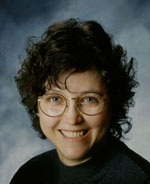 KL Wagoner loves creating worlds of fantasy and science fiction. Her current work in progress is The Last Bonekeeper fantasy trilogy and short stories in the same universe. A member of SouthWest Writers since 2006, Kat has worked as the organization’s secretary, newsletter editor, website manager, and author interview coordinator. Kat is also a veteran, a martial art student, and a grandmother. Visit her at klwagoner.com.
Leave a Reply