
During his nearly 50 years in education, author Douglas W. Price has taught a range of students from elementary to college level in both public and private schools. He was also an elementary school principal for 21 years. His debut release, Livengoods Living Well (Lighthouse Publishing, February 2025), “encourages readers to embark on their own discovery—both in the world and within themselves” while experiencing the challenges that shape the story’s characters. Livengoods Living Well is available on Amazon and Barnes & Noble.
 At its heart, what is Livengoods Living Well about? What do you hope readers will take away from it?
Livengoods Living Well presents a way of life filled with values and virtues that give durable substance and direction to each member and each family within faith, hope, and love.
What unique challenges did this work pose for you?
Finding time to write.
What sparked the idea for the book, and what prompted the push to begin?
The need for a shared experience of human formation according to traditional values and virtues. All too often we find in our culture widespread loneliness, alienation, loss of purpose and direction, and deep misunderstandings of the foundational values of our country. Livengoods is an engaging story of realistic idealism calling us forward in refreshed identity and in ways of belonging more true to our nature.
How is the book structured and why did you choose to organize it that way?
I want readers to experience the formation and development in deeply engaging characters of the most basic and wonderful human values and virtues from early childhood into adulthood within a sensible, enjoyable, easy-to-read and beautifully illustrated book of 150 pages.
Part I follows a boy and a girl from early childhood into young adulthood as they grow to resolve typical issues of personal identity and belonging. A chapter is given to every two years in their lives with an orientation to traditional values, but with very clear statements from the main characters supporting kindness, support, and generosity for those with different beliefs and ways of living. Vocabulary, sentence structure and length, and content vary by chapter according to the ages of the main characters. Chapters one through three may be read to or with children ages 3–9, chapters four through six ages 9–14, chapters seven through nine are for ages 15–21. Those without children may like to accompany Donald and Linda in their formative stages of growth.
Parts II and III are intended for young adults through readers in their elder years. Opportunities and challenges of personal growth and developing durable relationships test and develop the integrity of each character, always with the prevailing wisdom of Christian beliefs, moral values, and ethics.
Do you have a favorite chapter in the book, or one that characterizes the whole?
Not really. As unique characters achieve wholeness through their explorations and growth, chapters develop into one integrated story. Each character and each chapter contribute like threads and colors in a texture.
What did you learn in writing or publishing Livengoods Living Well that you can apply to future projects?
If the Lord does not build a house, in vain do the builders labor (Psalm 127:1). Inspiration and guidance are foundational in writing as in Living Well.
What was the most rewarding aspect of putting this project together?
Getting to know the characters; being surprised and delighted by their conversations and interactions; being impressed by their dedication to one another and the principles of their lives; being grateful for their resilience and fortitude.
What do you want to be known for as an author?
Dedication to portraying the eternal truths in human formation and growth.
Who are your favorite authors, and what do you admire most about their writing?
In fiction: Tolkien, for his genius in creating a fictional reality in his trilogy that illuminates the greatest depths of our reality; Tolstoy for his brilliance in creating fictional characters that challenge the depths of our understanding of what is most real in us. In non-fiction: Pope Benedict XVI for his humble, thorough, deeply insightful and revealing scholarship in his trilogy Jesus of Nazareth; Pope Francis for his broad and deep devotion and care for human beings.
What has writing taught you about yourself?
That writing, like growing up, as Pope Francis said in his autobiography, Hope (p. 271), “requires that you think what you feel and do, that you feel what you think and do, that you do what you feel and think.”
What is the best encouragement or advice you’ve received on your writing journey?
My father’s advice: To thine ownself be true.
What writing projects are you working on now?
Book 4, a sequel to the trilogy of which Livengoods Living Well is book 1.
Is there anything else you’d like readers to know?
- An illustration in full color in each chapter makes Livengoods Living Well a costly paperback, $25 on Amazon (free with Kindle), $30 on the Barnes & Noble website for the larger issue in higher quality paper.
- Manuscripts for the next two books, LivingWell Family and LivingWell Community are written, illustrated, formatted and ready for print, pending a successful response to Livengoods Living Well.
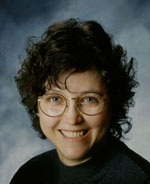 KL Wagoner loves creating worlds of fantasy and science fiction. Her current work in progress is The Last Bonekeeper fantasy trilogy and short stories in the same universe. A member of SouthWest Writers since 2006, Kat has worked as the organization’s secretary, newsletter editor, website manager, and author interview coordinator. Kat is also a veteran, a martial art student, and a grandmother. Visit her at klwagoner.com.
Leave a Reply