
Author Jeff Otis satisfies his need for creativity through his passion for painting in oils and writing short stories and novel-length speculative fiction. His newest release, A Giant Tale (Not a Normal Sophomore Year Book 1, January 2026), is a “coming-of-age story about bravery, friendship, first love—and discovering that the world is far stranger and more wonderful than we’re told.” You’ll find Jeff on his website JeffOtisAuthor.com, on Facebook, and his Amazon author store. Read more about Jeff’s work in his 2024 interview for SouthWest Writers.
 What would you like readers to know about A Giant Tale?
It’s a very funny, warm-hearted young adult book about the trials and tribulations of growing up today.
What themes do you explore in the book?
How a teenage boy learns to overcome his awkwardness and be himself with a girl. How this romantic relationship grows into trust and love. It explores the world of bullies and why they are the way they are. It explores the nature of reality. And it displays the true warmth between friends who recognize each other’s foibles. The need to connect with other people (or a giant) is a central theme.
I want to invoke emotions in the reader. If it’s funny, it should be really funny. At times there is sadness, awe, fear, and so on. My goal is to take the reader on an emotional rollercoaster. Lastly, I tried to capture the awesome power of nature, in this case in the form of a giant.
Did what-if questions shape this story or did something else spark the story idea?
What sparked this story is my love of humor, some of it autobiographical, and my desire to discover a giant living in the bosque (along the Rio Grande).
Who are your main characters? Why will teen/middle-grade readers connect with them?
Fern’s brilliant best friend, Divit, who is very scientifically oriented, has difficulty believing Fern (who has been known to be a prankster). A spunky sophomore named Manda sees through Fern’s initial awkwardness toward her and appreciates his sincerity and honesty. The story deals with teens being teens and dealing with all the big issues they face in high school.
Tell us how the book came together.
The book took a year to write and another year to edit, including the design of a cover (I went to 99designs.com).
When did you know you had taken the manuscript as far as it could go, that it was finished and ready for publishing?
When everything flowed into a very satisfying ending, I knew I was finished with the bulk of the writing. Then came the editing. I let fellow writers in my critique group read it and provide comments. I also hired a story editor to make sure the story unfolded in a captivating way. The story continues in the sequel, The Lady and the Spider Witch, and the as yet unnamed third and fourth books in the series—each as funny as the first.
What was your favorite part of putting this project together?
Writing about such funny predicaments and the awe at seeing something magical.
What makes the storyline or characters from A Giant Tale strong enough for a new series you’re calling Not a Normal Sophomore Year?
The main character, Fern, is based on myself, so he’s very real and believable. I think I’ve done a good job of creating three-dimensional characters, based on real people I’ve known. I want the reader to either care deeply about my characters, or dislike them intensely (think bully). I was like a teen tennis ball—bouncing from one crisis to another, which provides me with a wealth of things to write about.
 This is a departure from your previous science fiction novel, Raptor Lands, geared toward an adult audience. Why did you choose to go in this new direction?
I love young people. Having been one myself, I have intimate knowledge of their world. I want to especially reach out to stressed teens and show them what took me a long time to understand about relationships, expectations, feelings of inadequacy, and truth.
What are the challenges of writing for the teen/middle-grade market?
I’m still a kid at heart, so it wasn’t difficult. There are things like sentence structure that need to be tailored to younger adults. I find sexually explicit scenes take the reader out of the story so I don’t go there.
What does a typical writing session look like for you? Do you have any writing rituals or something you absolutely need in order to write?
I’m a pantser—I sit down with an idea and begin writing. I know what the book is about and what the ending will look like, but I don’t have a tight outline to work from. This approach keeps the scenes fresh and engaging. Later, during editing, I make sure the scenes flow smoothly and make the reader want to read the next scene. As for rituals, at least in the morning, I need coffee.
What writing projects are you working on now?
I’m editing the third book in the series Not a Normal Sophomore Year and the fourth is in the queue. I also have a book called Secrets of the Second Son that is almost fully edited about a boy who tragically continues to grow too quickly until the end. That one still makes me cry. I also have a dystopian series about the rise of AI with two books written and in the editing stage.
Is there anything else you’d like readers to know?
If A Giant Tale doesn’t make you laugh, please get help.
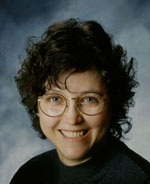 KL Wagoner loves creating worlds of fantasy and science fiction. Her current work in progress is The Last Bonekeeper fantasy trilogy and short stories in the same universe. A member of SouthWest Writers since 2006, Kat has worked as the organization’s secretary, newsletter editor, website manager, and author interview coordinator. Kat is also a veteran, a martial art student, and a grandmother. Visit her at klwagoner.com.
Leave a Reply