
François-Marie Patorni, Donna Pedace, Shirley Raye Redmond, and Jasmine Tritten represent a few of the nonfiction authors among the diverse membership of SouthWest Writers (SWW). The new releases in this post couldn’t fit into the 2020 interview schedule, but look for interviews/updates for these authors in 2021.
A list of previously interviewed SWW authors with 2020 releases is included at the end of this post.
 François-Marie Patorni’s The French in New Mexico: Four Centuries of Exploration, Adventure, and Influence (April 2020) is the first history of the French in New Mexico. In the book, the author chronicles the lives of French-speaking people from France, Canada, Switzerland, Belgium, Africa, and the Caribbean Islands; of people with French ancestry who retained some of their French culture; and of people with strong connections to France. The book traces their presence in New Mexico from the 1500s to present times. It tells the stories of influential, unusual, or colorful characters, and those who are not as well-remembered — explorers, adventurers, fur trappers and traders, soldiers, merchants, priests, farmers and ranchers, business people, scientists, artists, actors, politicians, lawyers, criminals, women of note, intellectuals, and other influencers in society.
Visit François-Marie’s website FrenchInNewMexico.com.
 Scandalous Women Of The Old West: Women Who Dared To Be Different (September 2020), by Donna Pedace, profiles ten amazing women who lived in the Old West. They dared to step outside the traditional roles of wife and mother, and left society’s conventions behind them. These women engaged in a wide range of interests and professions, and their stories will inspire and entertain. They overcame incredible odds to make a place for themselves in their chosen world, despite the sometimes strong objections of both men and women. Each blazed new trails for women who would come after them.
Visit Donna’s Amazon author page.
 Award-winning author Shirley Raye Redmond’s newest nonfiction release is Brave Heroes and Bold Defenders: 50 True Stories of Daring Men of God (Harvest House Publishers, 2020). In the book, readers will meet men who have used their God-given talents to live out their faith to the fullest. The fifty featured defenders of the faith have made a profound impact on the world around them, and in many cases changed the course of history. These inspiring profiles will captivate kids’ imaginations and encourage them to discover their own gifts and how they can use them to glorify God.
You’ll find Shirley Raye at ShirleyRayeRedmond.com and on her Amazon author page.
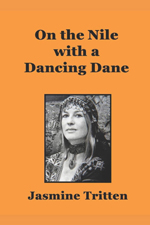 In August 2020, Jasmine Tritten published her travel memoir On the Nile with a Dancing Dane, and it soon became a #1 New Release in Travel Egypt on Amazon.com. In this adventurous memoir, filled with mystery and surprises, she explores the land of the pharaohs and overcomes challenges and obstacles while following her love for dance and the Egyptian culture. Original artwork and photos are by the author. “Underneath the black and gold glittery outfit, danced a blonde, blue-eyed Danish Viking woman with a Middle-Eastern soul.”
Visit Jasmine on Facebook and her Amazon author page.
 Seeing the World in 20/20: A SouthWest Writers Anthology of Award-Winning Stories
The year 2020 fits Confucius’ curse of “May you live in interesting times.” As the premier writers association in the southwestern part of the country, SouthWest Writers is all about writers helping writers succeed. The SWW annual writing contest is open to anyone and provides challenges for poets and authors. Seeing the World in 20/20 contains award-winning entries from each contest category: Biography/Memoir, Humor, Social Consciousness, Romance, Science Fiction/Fantasy, Mystery, Animals, Philosophy, Historical Fiction, and more.
Visit the SWW Publications page for all the organization’s releases.
SWW Author Interviews: 2020 Releases
Connie Flores
• Our Fascinating Life: The Totally Accidental Trip 1979
Sue Houser
• Wilmettie
BR Kingsolver
• Knights Magica
Dr. Barbara Koltuska-Haskin
• How My Brain Works: A Guide to Understanding It Better and Keeping It Healthy
Manfred Leuthard
• Broken Arrow: A Nuke Goes Missing
Shirley Raye Redmond
• Courageous World Changers: 50 True Stories of Daring Women of God
J.R. Seeger
• A Graveyard for Spies
Lynne Sturtevant
• Hometown: Writing a Local History or Travel Guide and The Collaboration Kit
Patricia Walkow
• New Mexico Remembers 9/11
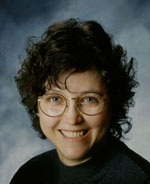 KL Wagoner (writing as Cate Macabe) is the author of This New Mountain: a memoir of AJ Jackson, private investigator, repossessor, and grandmother. Kathy posts to a speculative fiction blog at klwagoner.com and writes about memoir at ThisNewMountain.com.
